

Kidney Health conditions
Welcome to Kidney Condition, an El Paso initiative providing clear guidance, reliable knowledge, and heartfelt support for individuals navigating kidney wellness.
Marcela Martinez, Maybel Ortega, Mindy Ortega, and Julissa Peregrino
Meet your Kidneys
What does it mean to have a kidney condition?
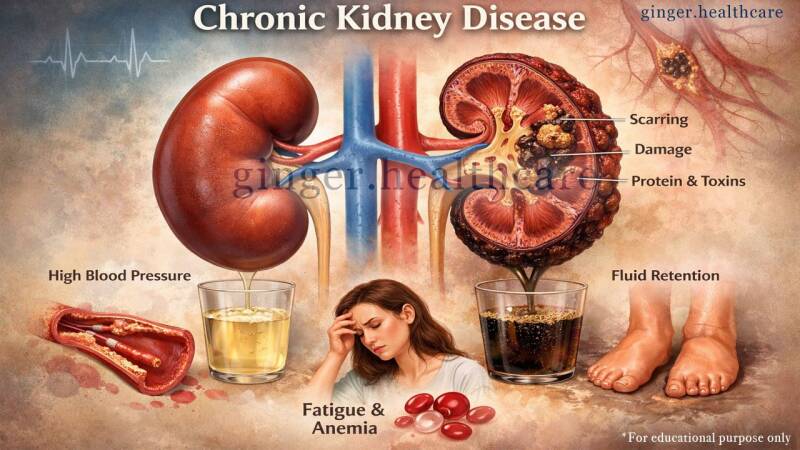
Being diagnosed with a kidney problem implies that your kidneys may have been injured or are unable to clean the blood of unwanted fluids and wastes.
The kidneys serve as a filter in the body. If they do not function properly, there will be toxins, extra fluids, and chemicals that will gather in the blood, leading to other problems like hypertension, bone weakness, and anemia.
Filter waste
The kidneys filter about 180 liters of blood per day, removing waste and excess water to produce urine.
Balancing fluids
The kidneys balance important minerals, such as:
- Sodium
- potassium
- calc
- phosphorus
for proper body functions
Controlling blood pressure
The kidneys help control blood pressure by managing fluid balance and by releasing the important hormones. (EPO. which helps the bones marrow make red blood cells.)
Support bone health
The kidneys activate vitamin D, which helps the body absorb calcium and keeps the bones strong and healthy.

Dedicated to our El Paso community
Kidney Condition was founded in El Paso, Texas, to bring clarity, awareness, and comfort to those affected by kidney challenges. As a personal advocacy organization, we focus on genuine connections and trustworthy educational materials so no one has to face kidney health decisions alone.
Knowledge leads to healthier living
Understanding your kidneys is the first step toward safeguarding them. We provide easily digestible health education that empowers you to have better conversations with your medical providers.

Diet and Hydration
- Limit sodium: help control blood pressure and prevent fluid retention
- Eat whole, plant-rich foods: Focus on fresh fruits, vegetables, whole grains, avoiding processed foods
- Stay hydrated: Drink enough fluids to help your kidneys flush out waste and toxins
Physical Activity and Lifestyle
- Exercise regularly: Aim for at least 150 minutes of moderate activity, like walking each week, to support circulation and heart health
- Maintain a healthy weight: Manage your weight through portion control and regular movement to reduce the pressure and workload on your kidney filters
- Quit smoking, limit drinking, and get enough sleep
Medical Management and Protection
- Control blood pressure and blood sugar: High blood pressure and diabetes are the leading causes of kidney damage. Monitor your numbers and take prescribed medications as directed
- Get routine check-ups: Visit your doctor for annual physicals and basic blood or urine tests to catch early signs of trouble
Physical Therapy
Physical therapists help you rebuild muscle strength and boost your energy. Kidney disease can cause muscle loss and severe fatigue, but a PT can design safe exercises like walking or gentle weight training. These activities improve your stamina, protect your bones, and help lower your blood pressure.


Occupational Therapy
Occupational therapists focus on helping you stay independent in your daily routine. They teach you how to manage everyday tasks like cooking, bathing, and dressing when you are feeling weak. OTs are experts at finding alternative ways to complete chores so you don't exhaust yourself.